Whose Name Is Still on the List
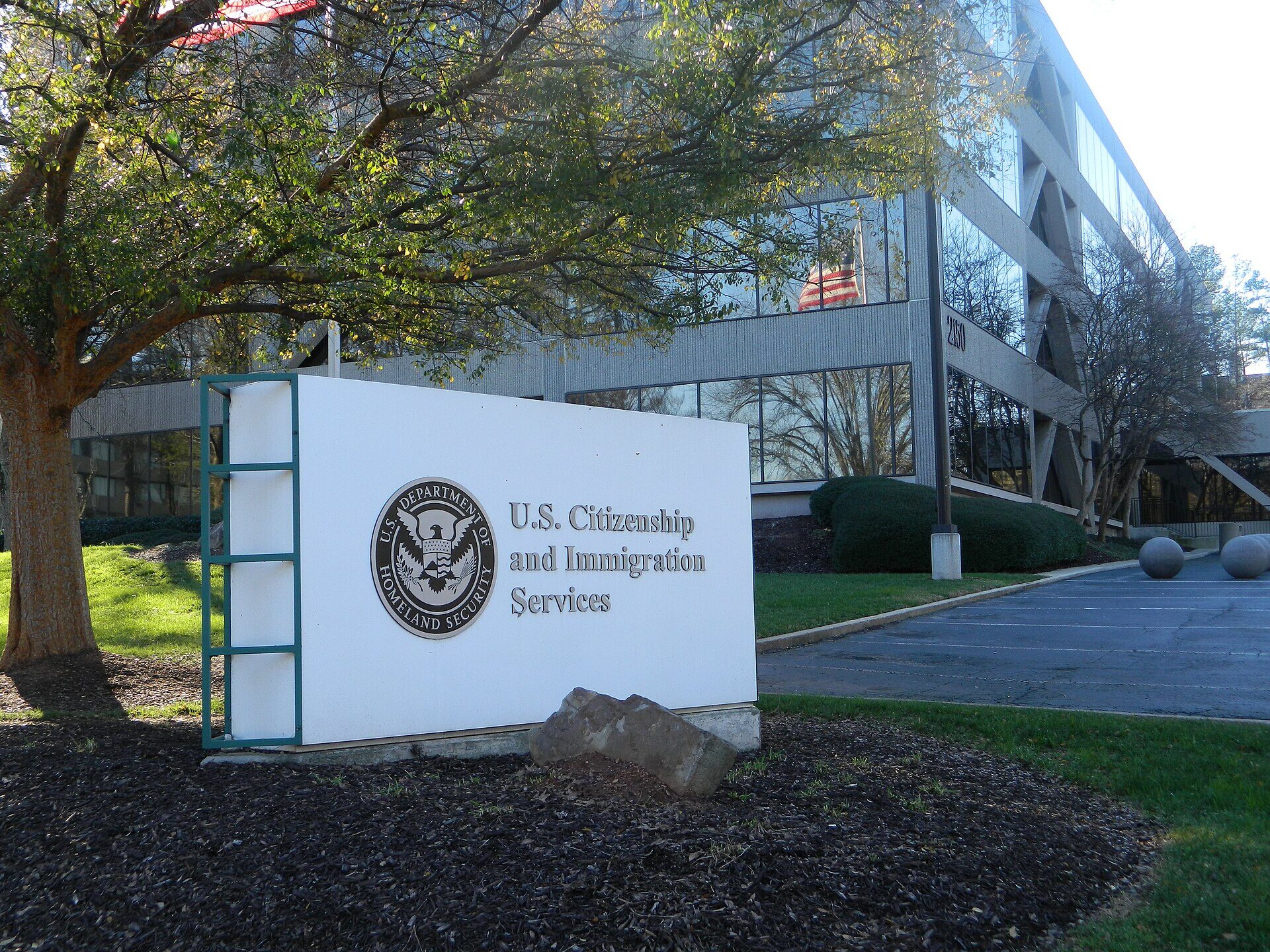
There is a page on the USCIS website that lists which countries have Temporary Protected Status right now. It is not an announcement and it is not in the news. It is a list, and it is the thing an employer’s HR office, a county clerk or a benefits caseworker will actually look at when they want to know what to do about you.
This page read that list again this week. Five countries are on it: El Salvador, Lebanon, Sudan, Ukraine and Venezuela.
Haiti and Syria are not on it. They appear further down the same page, in the part that records the designations that have ended, under two flat sentences: the Haiti designation is terminated, effective July 27, 2026, and the Syria designation is terminated, effective July 27, 2026.
That is the whole of the news this week, and it is worth understanding exactly, because a great many people heard something different.
What has not changed
TPS for Haiti and Syria is terminated, effective July 27, 2026, and work permits expired the same day. That is still true today. Losing TPS is not a deportation order, and nobody has to leave because of it.
Why two other countries kept something you did not
On Sunday, Oct. 18, a Homeland Security spokesperson told CBS News that Ukrainians and Sudanese enrolled in TPS “retain protection” past Monday, Oct. 19, the day both designations had been set to end, and that final decisions would be made “at the appropriate time.” A lot of coverage followed, and some of it used the word softening.
Here is the mechanical difference, and it is not a judgment about who deserves what. Ukraine and Sudan had designations that were running out on a date. When a decision about that kind of deadline is late, there is something to wait for, and a spokesperson can say protection continues while the department makes up its mind.
Haiti and Syria were not on a deadline. They were ended by a notice that was published, with an effective date already past. There is no pending decision in either case, nothing for a department to announce late, and no six-month automatic extension — that mechanism belongs to a designation whose review is overdue, not to one that has already been terminated by notice.
So when you hear that the administration is going easier on humanitarian protections, the honest answer is that nothing in that sentence has reached Haiti or Syria, and this page checked both government channels again this run to be sure. The Federal Register has published nothing on Temporary Protected Status newer than Oct. 14, and the two items from that date are a civil-penalties rule and a rule removing automatic extensions for certain work permits — neither about Haiti, Syria, Ukraine or Sudan. Nothing on public inspection this week touches this readership either.
This is not a prediction about you. It is a description of what the record says today, and the record can change. What it means practically is narrower and more useful: there is nothing to apply for, nothing to sign up for, and nobody may charge you a fee to put you on a list that does not exist. If someone offers to register you for a Haiti decision, that is the moment to walk away and tell somebody.
The adult whose work permit ended
Your card expired July 27. That is a fact about a document, not about you, and it does not make you undocumented in the sense people mean when they say it — it means the permission to work that came with TPS is gone.
The thing to do this week is unglamorous: get your own file in order while you can still get at it. Download or photograph your TPS approval notices, your expired EAD, your I-94 if you have one, and any receipt notice you ever received. Put a copy somewhere that is not your house — a relative’s phone, an email to yourself — and give a copy to a lawyer, not only to an employer or an officer. A document you cannot produce is a document you do not have.
And save a dated copy of the USCIS TPS page itself, today, while it still says what it says. Pages get rewritten. The one stamped 09/09/2026 is the one a clerk is reading right now.
The child in the house who is a U.S. citizen
A U.S.-citizen child cannot be deported. That is worth saying plainly, because a lot of households are carrying a fear that is not true.
What is true is harder: a parent who is removed may have very little time to decide whether the child goes too, and that decision gets made badly when it is made in a hallway. Make it in advance instead. Write down who can collect your child from school, and tell the school in writing. Decide now, with a lawyer if you can reach one, what you want to happen if you are not home one evening, and tell the person you are naming that you have named them. Our tools and checklists page walks a household through it in one sitting.
The person with a check-in or an ankle monitor
Keep going to every appointment. A check-in you miss is a problem you created; a check-in you attend and document is a record that helps you later.
Keep your own dated copy of everything you hand over and everything you are told, including the name of the officer and the time. If the way you are told to report changes — in person to email, or to an app — that change is the thing to write down and give to a lawyer, because a check-in you cannot prove you made is exactly the part of the record that goes missing. And do not try to take a monitor off yourself.
The person a judge has already ordered removed
This is a minority of the people reading, and the sentence that matters comes first: ending TPS is still not a judge ordering you personally to leave. But if a judge has already ordered your removal, that order did not go away when TPS ended, and it needs a lawyer this week.
If you are not sure whether you are in this group — and many people genuinely are not sure — you can check it yourself, free, in one call. The immigration court’s automated line is 1-800-898-7180, open 24 hours, and it will give you your next hearing date and whether a judge has decided your case, using your A-number. The online version is at acis.eoir.justice.gov. Two honest limits: it is in English and Spanish only, so arrange for someone to listen with you if you need Creole, and if you have never had an immigration court case you will find nothing there. Finding nothing is information too.
One more thing belongs here, because it is the question people ask when they are frightened. If there is a removal order, the law that decides which country it sends a person to is 8 U.S.C. 1231(b)(2). Naming a country decides where, not whether. It does not undo an order and it does not stop a removal, and it is a conversation to have with a lawyer rather than a thing to settle at a kitchen table.
The relative in Haiti
Two things happened at the other end of the phone this weekend, and both change what you should ask before anyone moves.
A vehicle of the UN-backed Gang Suppression Force was ambushed at Santo, in Croix-des-Bouquets north of Port-au-Prince, on Sunday, Oct. 18, and the force asked people living in Santo and the communities beside it to stay in their homes and away from where it was operating. A resident reached there by Vant Bèf Info described families keeping away from their windows. The details, including how many soldiers are missing, are in the feed entry above this article.
Separately, Haiti’s public-administration unions called a strike beginning Monday, Oct. 19. Nobody has published a list of which offices will be shut or for how long.
So: if a relative was going to collect a birth certificate, an identity card or a passport for you, have them telephone first. If anyone was planning to drive to or from the airport, do not treat any road as open on assumption. And do not let a deadline on this side depend on a document arriving from an office whose hours nobody has confirmed.
Five things to finish this week
- Save a dated copy of the USCIS TPS page while it carries today’s wording, and keep it with your documents.
- Copy your own file — approval notices, expired EAD, I-94, receipts — and store one copy outside your home and one with a lawyer.
- Make the one free call, 1-800-898-7180, and write down what it says, even if it says nothing.
- Name the person who can collect your child, tell the school in writing, and tell that person.
- Telephone before anyone in Haiti travels to an office or the airport, and say plainly that nobody has confirmed the roads.
None of these requires a lawyer’s appointment, a fee, or anyone’s permission. Every one of them is worth more than a rumour about a softening that has not reached your country. If you need help finding free legal advice, start at find free legal help; if ICE comes to your door, know your rights first.
Sources
- USCIS — Temporary Protected Status. Read this run. The page lists five countries under Countries Currently Designated for TPS: El Salvador, Lebanon, Sudan, Ukraine and Venezuela. It carries the sentences 'The Haiti TPS designation is terminated, effective July 27, 2026' and the same for Syria, and it is stamped Last Reviewed/Updated 09/09/2026
- Federal Register API, documents search on the quoted phrase 'Temporary Protected Status', run this run. The two newest matching documents are both dated Oct. 14, 2026 — 2026-21024, a civil penalties rule, and 2026-20955, Removal of Automatic Extensions for Certain Employment Authorization Documents. Neither is about Haiti or Syria, and neither is about Ukraine or Sudan
- Federal Register public inspection, current filings, read this run. No Department of Homeland Security, USCIS, CBP or ICE item was on public inspection that touches this readership
- Vant Bèf Info, 'Plaine du Cul-de-Sac: Cinq soldats portés disparus', Uguenson Auguste, datelined Oct. 18, 2026, read in full as the outlet's own feed body. The source for the account of residents at Santo staying inside
- El Día (Santo Domingo), 'El Salvador confirma emboscada en Haití contra militares salvadoreños; cuatro siguen desaparecidos', published Oct. 19, 2026 at 04:31 and read in full. The source for the Gang Suppression Force's own statement asking residents of Santo and nearby communities to stay in their homes
- Executive Office for Immigration Review — the free automated case information line, 1-800-898-7180, and the online case status page. English and Spanish only, and it holds nothing for a person who has never had an immigration court case
Community discussion
Comments are moderated before they appear. Never share your A-number, address, or case details here, and never trust legal advice from comments — talk to a licensed attorney (free help here). Comments are provided by GraphComment (EU-hosted, GDPR-compliant) and are optional.